
About Cedar Elm
The person and purpose behind Cedar Elm.
Cedar Elm is being developed by Wayne Sullivan Jr., an Army veteran and former educator. My service, including combat experience, shaped how I understand pressure, trust, identity, and what service can cost during service, after service, and within the family that absorbs some of that pressure.
My years in education, including special education and career and technical education in Texas and California, shaped how I think about access, systems, different ways of learning, and practical next steps when the path is not straightforward.
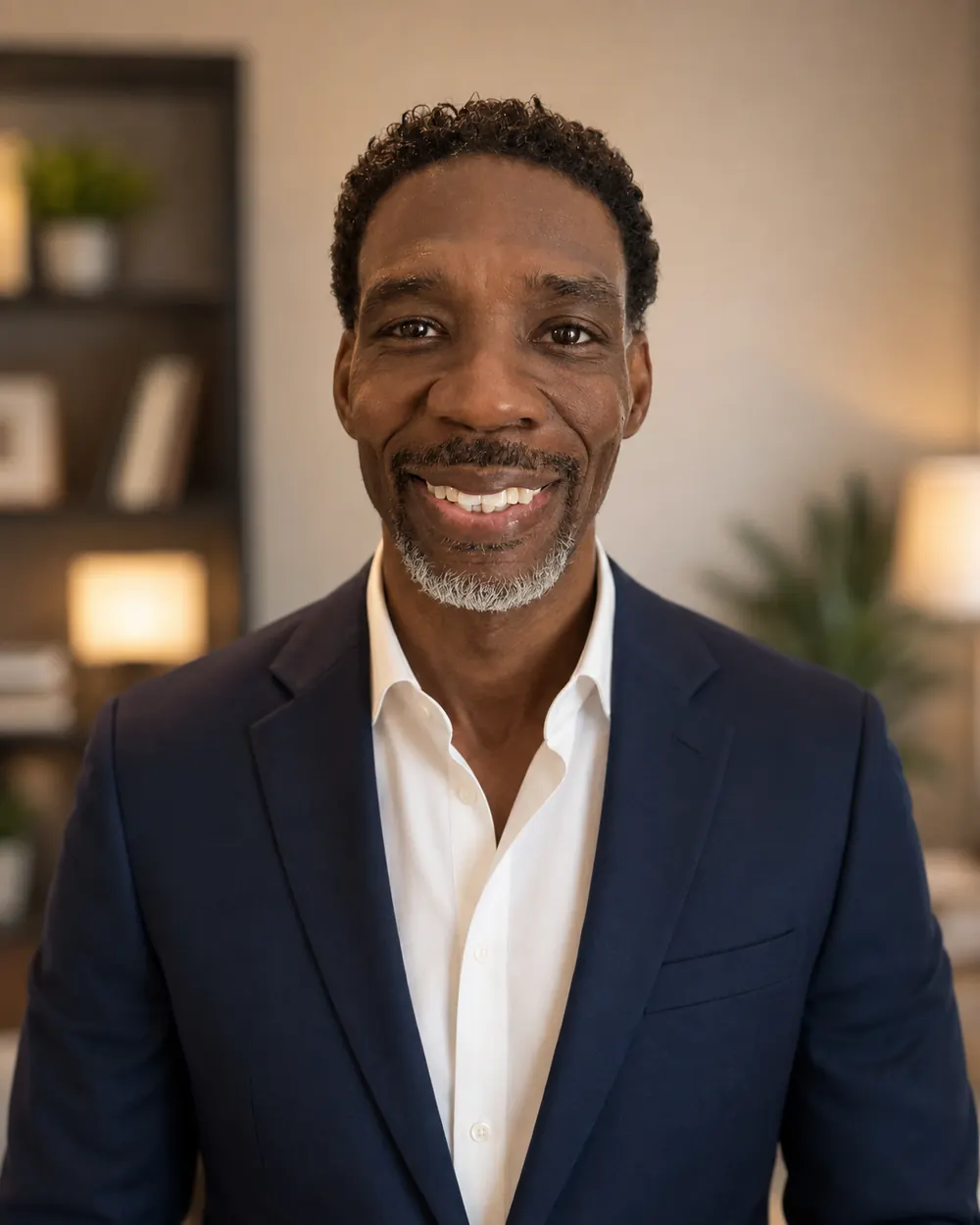
Founder context
Lived experience informs the direction, but it does not replace professional standards.
That background informs Cedar Elm’s future direction for veterans, first responders and public-safety personnel, couples and families, and adults navigating major changes in role, work, identity, or direction. It also shapes the educational resources being developed for people carrying sustained responsibility, burnout, transition, relationship strain, or support that arrived later than they needed it.
Lived experience shapes the care and attention behind this work. It does not replace clinical training, supervision, ethics, licensure, or competence.
What shapes this work
Cedar Elm is being built to notice pressure that can be easy to miss.
A shared background does not mean I already understand someone’s experience. The goal is to ask better questions, explain the process clearly, and leave room for parts of a person’s life that may have been overlooked elsewhere.
The veteran
who is tired of starting over with someone new and does not want to tell the whole story again.
The first responder
who has stayed functional for so long that disconnection has started to feel normal.
The spouse or family member
who has absorbed years of pressure without being named as part of the picture that needs support.
The couple
whose conversations keep carrying pressure neither person knows how to set down.
The adult navigating change
who is trying to make sense of life after a role, career, relationship, or identity has changed or ended.
Building Cedar Elm together
Different strengths, clear responsibilities.
Roni and I have been married for more than 25 years and have built a life through military service, education, entrepreneurship, parenting, work, faith, and significant transition. Those experiences have reinforced that pressure rarely stays contained within one person. It can affect routines, communication, trust, identity, parenting, work, and family life.
I tend to approach the work in a measured, reflective, and structured way. Roni brings warmth, relational ease, and a natural ability to help people feel welcomed and comfortable. Those differences strengthen how Cedar Elm is being developed without blurring our responsibilities.
I will remain responsible for Cedar Elm’s future counseling and clinical direction within the limits of my training, supervision, licensure, and competence. Roni’s role is nonclinical and centers on administration, communication, community relationships, referral-partner engagement, and the experience surrounding the practice.
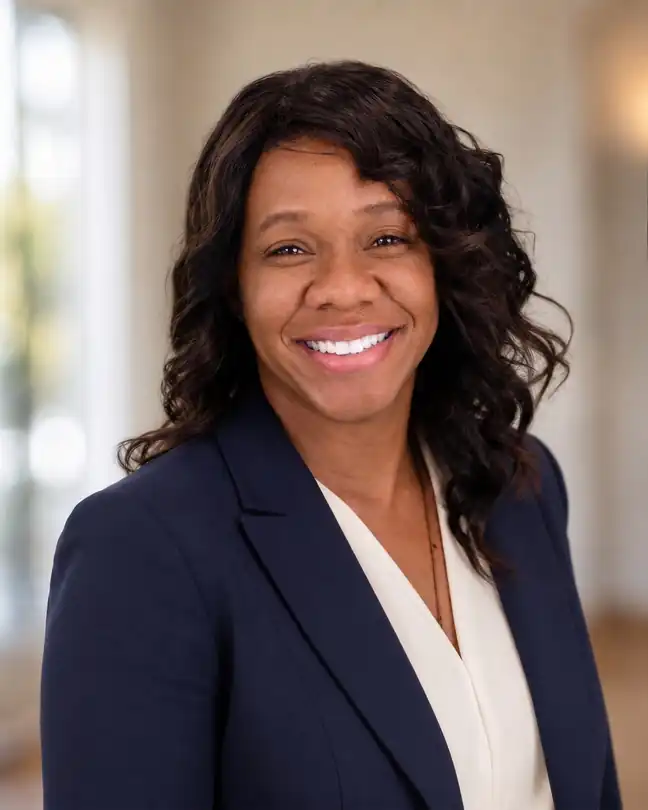
Roni Sullivan
Co-Founder and Administrator
Roni helps build the administrative systems, public communication, community connections, referral-partner relationships, and welcoming experience surrounding Cedar Elm. She has a particular interest in ensuring that military and public-safety spouses, partners, and families are recognized as people with their own experiences and support needs.
Roni is not a counselor. She does not provide therapy, clinical advice, diagnosis, treatment recommendations, decisions about clinical fit, case discussion, or crisis support.
Cedar Elm
Why the name Cedar Elm?
Cedar elm is native to Texas and known for adapting across difficult conditions. The name reflects steadiness, flexibility, connection, and continued growth.
It also reflects an important distinction. Endurance does not always mean someone is doing well. Staying functional can carry a cost, and hardship does not automatically become meaningful simply because a person survived it.
The Cedar Elm name represents a grounded place to understand what has happened, identify what may need attention, and consider a more deliberate path forward. It does not promise one predictable route.
What to expect
Clear enough to understand, flexible enough to fit the person.
Questions before assumptions
Begin by understanding what someone is experiencing before drawing conclusions.
Clear explanations
Keep the process, choices, boundaries, and next steps understandable.
Room to disagree and adjust
Make space for feedback when something does not fit or is not helping.
Attention to real life
Connect the work to relationships, responsibilities, identity, work, and daily life.
Respect for your pace
Move purposefully without unnecessary pressure to disclose or move too quickly.
Faith and respect
Faith is personally important to us, and each person’s beliefs remain their own.
Our Christian faith is personally important to us and shapes our commitment to service, integrity, perseverance, and treating people with care.
Cedar Elm is not being presented as a faith-based counseling requirement or a place where visitors are expected to share our beliefs. The practice is being developed to respect each person’s faith, values, culture, identity, and right to define what is meaningful in their own life.
Current status
Cedar Elm is still in development.
Public pathways, Learning Center guides, educational materials, and verified outside Resources are available now.